Addressing Privacy and Security Concerns in Home Automation
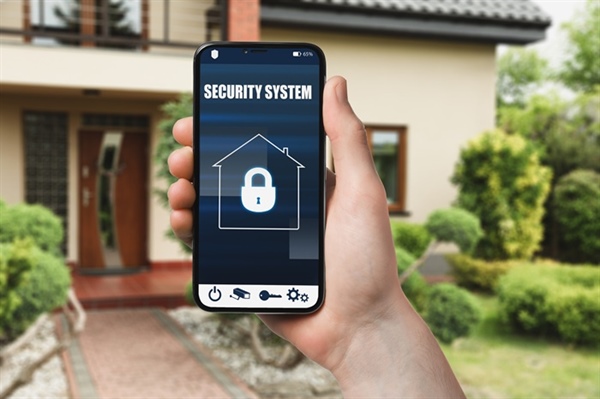
As smart home technology continues to expand across households, it brings with it both innovation and concern. Devices like smart thermostats, voice-activated assistants, surveillance systems, and automated lighting offer unmatched convenience and energy efficiency.
But with these perks comes the challenge of protecting personal data and household systems from potential breaches. Privacy and security in home automation aren't just buzzwords — they’re real issues that homeowners face every day, especially when sensitive information flows across multiple connected devices.
At Cool Home Technology, we understand the balance homeowners strive to maintain: adopting modern automation tools without compromising safety or privacy. Whether it's an internet-connected doorbell, voice-activated lighting, or a fully integrated home security system, the risks of unauthorized access and data misuse are real and evolving. Understanding how to protect these systems, mitigate vulnerabilities, and uphold privacy standards is crucial to ensuring that the comfort of automation doesn't come at the cost of control.
Throughout this article, we’ll explore the most pressing concerns surrounding home automation privacy and security. Each section below is crafted to provide clear, research-backed answers for smart homeowners looking to stay both connected and protected!
Identifying Privacy Risks in Smart Home Automation
Home automation technologies collect vast amounts of personal data to function efficiently. From behavioral patterns such as daily routines and occupancy schedules to sensitive voice recordings and live video feeds, these systems are a treasure trove of information. If left unprotected, they present attractive targets for cybercriminals. Unauthorized access to smart cameras, locks, or thermostats could lead to serious privacy breaches, including surveillance, stalking, and theft.
Privacy risks extend beyond external threats. Many devices share data with third-party platforms and cloud services, sometimes without clearly defined consent mechanisms. This means data may be processed or stored in ways homeowners are unaware of. Data aggregation across devices can create detailed profiles of user behavior, which, if compromised, pose risks far beyond the home itself.
Understanding these privacy risks is critical for any homeowner investing in home automation and security and automation. It's not just about safeguarding devices, but protecting the personal lives connected to them.
How to Protect Your Home Automation System from Unauthorized Access
Securing a home automation system begins with proper network configuration. Homeowners should segment smart devices onto a separate network or VLAN from computers and phones to reduce cross-device vulnerability. Using a strong, unique password for each device and enabling two-factor authentication where possible adds a vital layer of defense. Disabling unused services and changing default administrative credentials immediately upon installation can prevent easy exploits.
Firewall and encryption protocols are essential components. A properly configured firewall limits external access, while WPA3-encrypted Wi-Fi networks reduce interception risks. Homeowners should also ensure that remote access features are only enabled when necessary, and only through secure, encrypted channels. Monitoring access logs and receiving real-time alerts for suspicious activity can also support early detection of threats.
Physical security is equally important. Ensure that home automation hubs and network routers are located in secure areas and protected from unauthorized tampering. In combination, these practices fortify your home automation system against intrusions.
Best Practices for Protecting Personal Data in Smart Homes
Data protection begins with understanding where and how your data is stored. Opt for devices and platforms that offer local storage over cloud dependency when possible, and ensure that stored data is encrypted both at rest and in transit. Always review privacy policies before installing a new device — vendors should clearly define how they collect, store, and share your data.
Limiting permissions is another effective strategy. Only enable device features and access rights necessary for operation. Disable audio or video feeds when not needed, and regularly audit connected devices and services for security updates. Software updates should be applied promptly to patch vulnerabilities that might otherwise expose data.
Smart home users should also consider using VPNs for remote access to ensure that data transmitted externally is encrypted and hidden from potential interceptors. Routine audits of smart home ecosystems — including firmware versions, device status, and security configurations — can help prevent privacy oversights.
How Manufacturers Address Security Vulnerabilities in Smart Devices
Manufacturers play a critical role in home automation security by implementing secure coding practices, performing rigorous device testing, and providing regular firmware updates. Reputable vendors employ security-by-design principles, embedding encryption protocols and secure boot processes into their devices from the outset. Vulnerability disclosure programs and penetration testing are also used to identify and remediate flaws before they can be exploited.
Many companies have established bug bounty programs and partnerships with cybersecurity researchers to strengthen their defense posture. These collaborations help manufacturers stay ahead of new attack vectors and release timely patches. Automatic update mechanisms are increasingly common, ensuring users receive essential security improvements without manual intervention.
Some vendors go further by obtaining certifications such as UL 2900 or ISO/IEC 27001, which validate their commitment to cybersecurity standards. These certifications reflect best-in-class security governance and should be considered during purchasing decisions.
Legal and Ethical Considerations of Data Collection in Smart Homes
Home automation systems operate within a complex legal framework. In the U.S., there is no comprehensive federal law governing smart home privacy, though laws such as the California Consumer Privacy Act (CCPA) grant residents the right to know, delete, and opt out of the sale of their personal data. Manufacturers must comply with these regulations to avoid legal liability, while homeowners must understand their rights under local and federal privacy laws.
Ethically, the issue goes beyond compliance. Manufacturers must offer transparent data handling policies and empower users with meaningful control over their information. This includes clear opt-in/opt-out procedures, concise privacy disclosures, and accessible settings for data sharing and retention preferences. Transparency builds trust and encourages responsible data stewardship.
For homes shared by multiple individuals or families, there's also the ethical responsibility to inform guests and residents about data collection — especially with devices like cameras, microphones, or occupancy sensors. Clear signage or verbal notices are good practice to avoid infringing on the privacy expectations of others.
How Cool Home Technology Can Help You Secure Your Smart Home
Smart home privacy and security are not just about protecting technology — they’re about protecting people and the lives they lead. At Cool Home Technology, we specialize in integrating sophisticated home automation systems with security at their core. Our team offers expert installation, secure network design, and device configuration that aligns with the best practices outlined in this article.
From protecting your home automation network against unauthorized access to configuring devices for minimal data exposure, we bring clarity and safety to your connected home experience. If you're looking for a trusted partner in Minnetonka to help guide you through privacy concerns, system configuration, or data management, Cool Home Technology is ready to assist! Call us at 952-405-8397 or contact us online today.